Troubleshoot Common Candle Problems UK: Fix Soy Wax Failures

This post contains affiliate links. If you buy via these links we may earn a small commission at no extra cost to you.
Most beginner candle problems come down to a short list of causes: the wrong wick, poor temperature control, or a burn that never established a full melt pool. Once you know which symptom points to which mistake, most batches are recoverable. This guide covers the most common soy-wax failures, how to rescue them, and which checks stop the same issue repeating. If you’re just starting out, you might find our guide to choosing wax helpful.
Most candle failures in the UK are caused by temperature control and wick selection, not a lack of skill.
Why is my candle tunnelling?
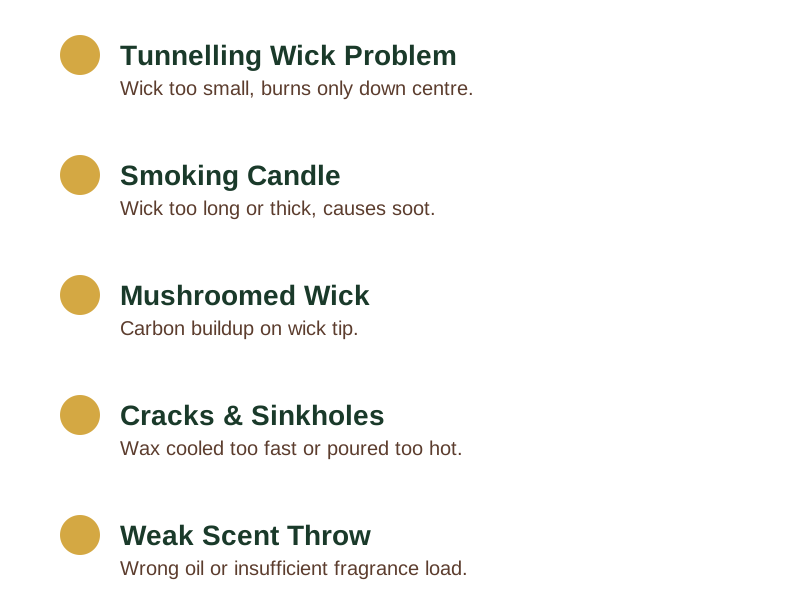
Tunnelling happens when your candle melts a narrow, hollow column down the centre but never reaches the jar’s edges, leaving a ring of unmelted wax around the sides. It’s usually caused by the candle not burning long enough on its first run, or by a wick that’s too small for your jar’s diameter. Short, intermittent burns are the usual culprit.
Fix:
- Let the candle burn for one hour per inch of diameter on its first run. For a 3-inch jar, aim for three solid hours.
- If the tunnel is already set, use a heat gun on a low setting to gently melt the walls down, then let it cool undisturbed.
Prevention: Trim the wick to ¼ inch before every lighting. A correctly sized wick (e.g., Eco 10 for a 3-inch soy jar) will create a wider flame that melts the wax evenly.
Many beginners learn the hard way: the first batch only melts the centre after a two-hour burn – they think it is done, but the candle is still tunnelling.
Why Is My Candle Smoking?
Your candle is likely smoking because the wick is too long, too thick for soy wax, or it’s burning in a draughty spot. This incomplete combustion is more than an eyesore; it can lead to soot buildup and even a fire hazard.
Fix:
- Extinguish the flame.
- Trim the wick down to ⅛ inch (about the width of a pencil lead).
- Relight the candle in a still-air environment.
Prevention: Always trim the wick before lighting and keep the candle away from open windows, fans, or HVAC vents.
Safety note: If you see black carbon buildup on the glass, the wick is mushrooming – that’s a clear sign you need to trim and re-light.
Why does my wick mushroom?
Your wick is mushrooming because it’s either too large for the soy wax you’re using, or the candle has been burning for too long without trimming. This black cap reduces the flame’s efficiency and can lead to smoking.
Fix: Gently pull the mushroom off with tweezers before the next lighting. If it keeps reappearing, switch to a smaller wick – Eco or HTP series work well with soy.
Prevention: Use a wick trimmer after each burn and choose a wick size that matches the jar diameter (e.g., CD-4 for a 4-inch jar).
Example: A Reddit thread from a UK maker highlighted that an LX-type wick, designed for paraffin, kept mushrooming in a soy blend – swapping to an Eco wick solved the issue.
Why are my candles cracking or getting sinkholes?
Cracks or a shallow dip in the centre of your candle, often called sinkholes, usually happen when the wax is poured too hot, shocking the glass, or when it cools too quickly – especially in cooler UK homes. While purely cosmetic, they can make a batch look like a “bodge job”.
Fix:
- Let the candle cool slowly on a heat-resistant surface.
- If a crack appears, re-melt the top layer with a heat gun and smooth it out.
- For sinkholes, a quick blast of warm air from a hair-dryer can level the surface.
Prevention: Follow the wax maker’s recommended pour temperature – for most soy waxes it’s 55–65 °C**. Use a thermometer; a guesswork pour is a bit of a faff that often ends in cracks.
UK Regulations & Selling Candles
If you ever think about turning your hobby into a side-hustle, the rules are stricter than you might expect. Many beginners assume any glass container is fine, but Trading Standards classifies “food-or-drink” containers (like jam jars) as unsuitable for candles unless they meet specific safety criteria. If you’re thinking of turning your hobby into a side-hustle, understanding these rules is crucial. You can find more general advice and resources on our about page .
Fix:
- Use containers that are heat-resistant and have a labelled safety rating (e.g., “candle-grade” glass).
- Include a label with the candle’s weight, fragrance load, and a safety warning about keeping the wick trimmed.
Prevention: Before you sell, read the UK Trading Standards guidance on candle safety – it outlines the labelling requirements and the prohibition on “food or drink” candles.
If you plan to sell candles, skip recycled jam jars: a jar that isn’t made for candles can shatter under heat, which is a real safety problem once it’s in someone else’s home. Use a proper candle jar.
Most soy-wax candle problems in the UK boil down to three things: wrong wick size, incorrect melt temperature, and insufficient burn time. Choose a wick that matches your jar diameter, pour at the wax’s recommended temperature (usually 55–65 °C), and let the candle burn long enough on the first use to create a full melt pool. Fix any existing issues by trimming the wick, extending the burn time, or gently reheating problem areas with a heat gun.
Now you know what to look for — Download the Free Checklist to keep your supplies, temperatures and timings spot on every time.
Quick Answers
Why is my soy candle not smelling?
That’s usually a “cold throw” issue. Soy wax holds fragrance well once it’s solid, but the scent you get while it’s burning (“hot throw”) depends on using a fragrance oil formulated for soy and keeping the load within the supplier’s guidance.
Can I fix a candle that has tunnelled?
Yes! Burn it for a longer, uninterrupted period (up to four hours) to melt the walls. If it’s stubborn, a low-heat gun can gently melt the sides without ruining the surface.
Why is my wick drowning in the wax?
A wick that’s too small for the jar won’t generate enough heat to melt the wax to the edges. Upgrade to a larger size – moving from a CD-2 to a CD-4 for a 4-inch jar usually does the trick.
What wax is best for beginners in the UK?
Soy wax – brands like KeraSoy 1kg Kerax CONTAINER Blend Candle Wax - 100% Natural Soy/Soya Wax (paid link) or Goldenwax Soy Container 464, White, 1.5Kg (paid link) – are forgiving, eco-friendly and clean up with soap and water. They melt at lower temperatures, which reduces the risk of cracking.
View Goldenwax Soy Container 464, White, 1.5Kg on Amazon → (paid link)
Buy KeraSoy 1kg Kerax CONTAINER Blend Candle Wax - 100% Natural Soy/Soya Wax on Amazon → (paid link)
Do I need to add stearic acid to soy wax?
Not really. Stearic acid can make the candle harder and whiter, but it can also dull the scent throw. Most beginners skip it for their first batch and still get great results.
Common Soy Wax Failures & Fixes
| Problem | Cause | Fix | Prevention |
|---|---|---|---|
| Tunnelling | Wick too small or short burns | Burn 1 hour per inch of diameter | Trim wick to 1/4 inch before lighting |
| Smoking | Wick too long or thick | Trim to 1/8 inch | Keep away from draughts and vents |
| Mushrooming | Wick too large or burning too long | Pull off with tweezers | Use wick trimmer after each burn |
| Cracking/Sinkholes | Pouring too hot or cooling too fast | Re-melt top layer with heat gun | Follow recommended pour temperature |
| Poor Scent Throw | Wrong fragrance oil or load guidance | Use soy-formulated oil within supplier guidance | Allow candle to cure before burning |
| Wick Drowning | Wick too small for jar | Upgrade to larger wick size | Match wick to jar diameter |
| Container Failure | Using food-grade glass | Use heat-resistant candle jars | Check safety ratings before selling |
| Soot Buildup | Incomplete combustion | Trim wick and relight in still air | Ensure proper ventilation during burn |
What to Do Now
You’ve now got the fixes for tunnelling, smoking, mushrooming, cracks and the basics of UK-compliant selling. The biggest takeaway? Most problems are preventable with the right wick, temperature and burn time.
If you’re ready to streamline your next batch and avoid the common pitfalls, download our free Candle Making Checklist – it walks you through the exact temperatures, wick sizes and safety steps you need, every single time.
You can also get in touch if you have specific questions about wicks, containers or any of the fixes above. Happy candle-making – you’ve got this.
Explore More Topics
Go deeper on specific topics:
- Why is My Candle Tunneling? Causes & Solutions for Even Burns UK
- Stop Candle Sooting & Large Flames: Troubleshooting Guide for Beginners UK
- Preventing Wet Spots & Frosting in Container Candles UK
- Fixing Cracked & Uneven Candle Tops: Smooth Finishes for Beginners UK
- How Long to Cure Candles: Why the Wait Matters for Scent Throw UK
Got a quick question? Browse Candle Making Problems: Questions Answered for straight answers to the most common troubleshooting queries.
Further Reading
Note: The information provided is for general guidance only. Always verify specific safety regulations and technical details with a qualified professional or official source.