Why Your Candle is Smoking (And the Wick Size Mistake Causing It)

This post contains affiliate links. If you buy via these links we may earn a small commission at no extra cost to you.
Soot and oversized flames usually point to a wick problem, a poor setup in the room, or too much oil sitting in the wax. Left alone, they blacken the jar, waste the candle, and make the burn less predictable. This guide covers how to calm the flame down quickly and what to change so the problem does not return on the next pour.
Now you know the basics – Download the Free Checklist and keep it handy for every batch.
How Do I Diagnose Soot and Large Flames?
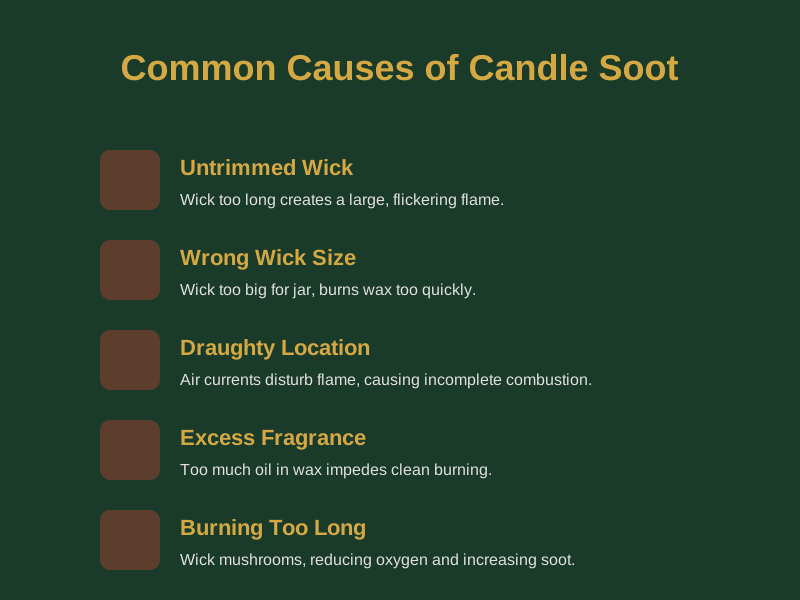
Soot and a towering flame usually boil down to one of three things. Spotting the right culprit saves you a lot of guesswork and gets you back to a clean burn quickly.
- The Wick – When the wick carbonises, it forms a “mushroom” cap. This blocks airflow and forces the flame to burn hotter, spitting soot onto the glass. If the tip looks black and bulbous after a burn, the wick is likely too big for the wax pool.
- The Draft – A sneaky breeze from an open window, a vent, or even the lift of warm air from a radiator can pull oxygen into the flame unevenly. In a typical UK living-room, a gap as small as 5 mm can create a draft that makes the flame dance and soot up.
- The Fragrance Load – Overloading the wax with fragrance oil can choke the flame. The excess oil sits on the surface, burns incompletely, and leaves a grey plume.
An oversized wick is the usual culprit: a CD-6 wick in a 120 mm jar, for example, will blacken the glass. The fix? Drop down to a CD-4 and trim the wick to 2 mm (about 1/8 in). You can read more about our approach and why we started Candle Crafting on our about page .
For more on picking the right wax, see our Best Candle Wax for Beginners guide.
An oversized wick is widely recognised as the leading cause of soot in container candles.
How Do I Fix a Sooty Candle Immediately?
When you spot soot, the first instinct is often to blow the flame out – but that just spreads the carbon particles across the room. Here’s the safe way to rescue the candle and get things sorted:
- Snuff, don’t blow. Use a candle snuffer or gently press a damp metal spoon over the flame until it goes out. This keeps the soot contained.
- Cool the pool. Let the wax sit for at least two minutes; a hot pool will reignite the soot when you relight. Patience here is key.
- Trim the wick. Cut the wick down to about 2 mm (1/8 in). A short wick reduces the flame size and stops mushrooming. This is a proper must-do. A Xiciki 3 Pcs Candle Wick Trimmer, Candle Snuffer and Wick Trimmer (Black) (paid link) gives you both tools in one go.
- Relight carefully. Light the wick with a long match, keeping the flame away from the glass for a few seconds to let the pool settle.
View Xiciki 3 Pcs Candle Wick Trimmer, Candle Snuffer and Wick Trimmer (Black) on Amazon → (paid link)
To save a sooty candle, snuff the flame with a snuffer or damp spoon, allow the wax pool to cool for a couple of minutes, trim the wick to roughly 2 mm, then relight using a long match. This sequence prevents the carbon particles from being blown back into the room, reduces the flame size, and gives the wax a chance to settle, stopping further soot formation.
Experienced makers note that the “wick jump” – moving up one size in the CD series – can sharply increase flame height, so keeping the wick short is essential after a soot incident.
UK-Specific Environmental Factors
Living in the UK means you’re battling two extra variables most overseas guides ignore. These can be a bit of a faff if you’re not aware of them.
- Central heating dries the wax. During winter, the dry, heated air pulls moisture from the wax surface, making it burn hotter and produce more soot. A simple trick is to keep the candle at least 30 cm away from radiators or open vents.
- Damp can create wet spots. In older terraced houses, rising damp can settle on the glass, causing the wax to melt unevenly. The result is a lopsided pool that starves part of the wick of fuel, prompting it to mushroom and smoke. This is particularly common in areas with older housing stock, so it’s worth checking your candle’s spot.
Placing a fresh soy candle on a shelf right next to a wall-mounted heater. The first hour the flame was steady, then a thin veil of smoke appeared. Moving the candle away from the heater solved it instantly – a classic “central heating” mishap.
Need more UK-focused tips? Check out our Ultimate Guide to Candle Wicks .
How Do I Prevent Soot Long-Term?
Getting the right wick for the right wax and jar size is the cornerstone of a clean burn. Honestly, this is where most beginners go wrong, and it makes all the difference.
- Understand the “Wick Jump”. Moving from a CD-2 to a CD-4 wick doesn’t just add a little more flame; it can sharply raise the flame height and increase soot dramatically. It’s not a linear progression, so tread carefully.
- Soy vs. Paraffin. Soy wax burns cooler and slower, so a CD-3 or LX-2 is usually sufficient for a 120 mm jar. Paraffin, being hotter, often needs a CD-4 or LX-3 to stay steady without mushrooming. Always check the wick manufacturer’s recommendations for your specific wax.
- Match wick to jar diameter. As a general rule of thumb, a 100 mm jar often pairs with a CD-2, 130 mm with CD-3, and 150 mm with CD-4. Adjust one size up if you truly want a larger flame, but be prepared to trim more often and keep a closer eye on it.
A hobbyist in Leeds tried a CD-5 wick in a 140 mm soy jar to get a “big” flame. The candle smoked for the first five minutes and the wick mushroomed. Switching back to a CD-3 and trimming after each burn kept the flame steady and soot-free.
If you’re still unsure which wick to buy, our Ultimate Guide to Candle Wicks breaks it down by wax type and jar size.
Now you know what to look for – Download the Free Checklist and match the right wick to every candle you make.
Quick Answers
Is soot from a candle toxic?
Yes, it is. Burning a candle with a large, sooty flame releases particulate matter that can irritate lungs and eyes. The safest move is to extinguish the candle, clean the jar thoroughly, and fix the underlying wick or draft issue before lighting it again. Your health matters, so don’t ignore it.
Why does my wick keep going out?
Usually, it’s either because the wick is too small for the wax pool, meaning it can’t draw up enough fuel, or a draft is blowing the flame away. Trim the wick to the correct length for your jar and wax, and make sure the candle isn’t sitting in a breezy spot. Sometimes it’s a simple fix!
Can I fix a candle that has already tunneled?
You can often level the wax with a gentle heat gun or a hair-dryer set on low, melting the top layer to an even pool. Then, trim the wick and burn the candle for a longer first run to even out the pool. If the tunnel is very deep, it’s often easier to repurpose the candle for wax melts rather than trying to salvage the burn.
Does the type of wax matter for soot?
Absolutely. Soy wax is naturally cleaner-burning than paraffin, but even with soy, the wrong wick can still cause soot. Always pair the wax with a wick size recommended specifically for that wax type and your container size – it’s a non-negotiable for a clean burn.
How often should I trim my wick?
You should trim your wick every two hours of burn time, or at least before each relight. A 2 mm (1/8 in) cut keeps the flame steady, reduces mushrooming, and helps prevent soot. It’s a small step that makes a big difference.
Wick Size Reference Guide
| Jar Diameter | Recommended Wick | Wax Type | Flame Height | Soot Risk |
|---|---|---|---|---|
| 100 mm | CD-2 | Soy | Low | Low |
| 120 mm | CD-3 | Soy | Medium | Medium |
| 130 mm | CD-3 | Soy | Medium | Medium |
| 140 mm | CD-4 | Soy | High | High |
| 150 mm | CD-4 | Soy | High | High |
| 120 mm | CD-4 | Paraffin | High | High |
Ready to Start?
You’ve learned that soot and towering flames are almost always a wick, draft, or fragrance issue – not a failure of the soy wax itself. By snuffing the flame correctly, trimming the wick, and matching the right wick size to your jar and wax, you can turn a smoky disaster into a clean, cosy burn.
If you want a handy cheat sheet to keep every batch on track, grab our free Wick & Soot Checklist . It walks you through the quick-fix steps and the long-term checks you need before each pour.
And if you’re still looking for a starter kit that includes the right wicks, a snuffer, and a good pair of scissors, our Candle Making Starter Kit guide is worth a look – it’s a proper, no-faff rundown of everything you need. For more tips and tricks, you can always check out our full Blog archives.
Happy pouring, and may your jars stay soot-free!
Related Guides
For a complete overview, see our Troubleshooting Common Candle Making Problems UK .
References
- Health and Safety Executive (HSE)
- Citizens Advice – Consumer Rights
- Cosmetics Europe – IFRA Standards
- Which?
Note: This guide provides general troubleshooting advice. Always verify specific safety standards and product recommendations with a qualified professional or official source.