How to Choose Candle Jars That Won't Crack (Or Start a Fire)
This post contains affiliate links. If you buy via these links we may earn a small commission at no extra cost to you.
Container choice is one of the biggest safety decisions in candle making. The wrong jar or tin can crack, overheat, or burn poorly even if the wax and wick seemed fine on paper. This guide compares the main vessel types, explains how to size them sensibly, and covers the UK safety checks worth making before you buy or sell.
What are the best candle container materials for beginners?
When you’re starting out, picking the right container material is key for both safety and success. For beginners, tin containers are generally the safest and most forgiving option, though tempered glass offers a beautiful aesthetic if you’re careful, and ceramic provides a premium, reusable finish. Each material has its pros and cons, especially when it comes to heat retention, durability, and how it looks.
Glass jars look gorgeous, let the wax glow through, and usually give the best scent throw. But they’re also the most temperamental. Only tempered, heat‑resistant glass will survive the 70‑80 °C melt temperature of soy wax; regular drinking‑glass jars will crack on the very first burn – a classic case of “thermal shock”. Many beginners learn this the hard way: a pretty amber jar bought from a craft fair can shatter the moment it is lit, sending wax splatter across the kitchen floor.
If you want a safe glass option, the CONNOO 7 OZ Frosted Empty Candle Jars with Bamboo Lids (paid link) are thick, heat‑resistant glass with bamboo lids — proper candle‑making vessels rather than repurposed drinking glasses.
Buy CONNOO 7 OZ Frosted Empty Candle Jars with Bamboo Lids on Amazon → (paid link)
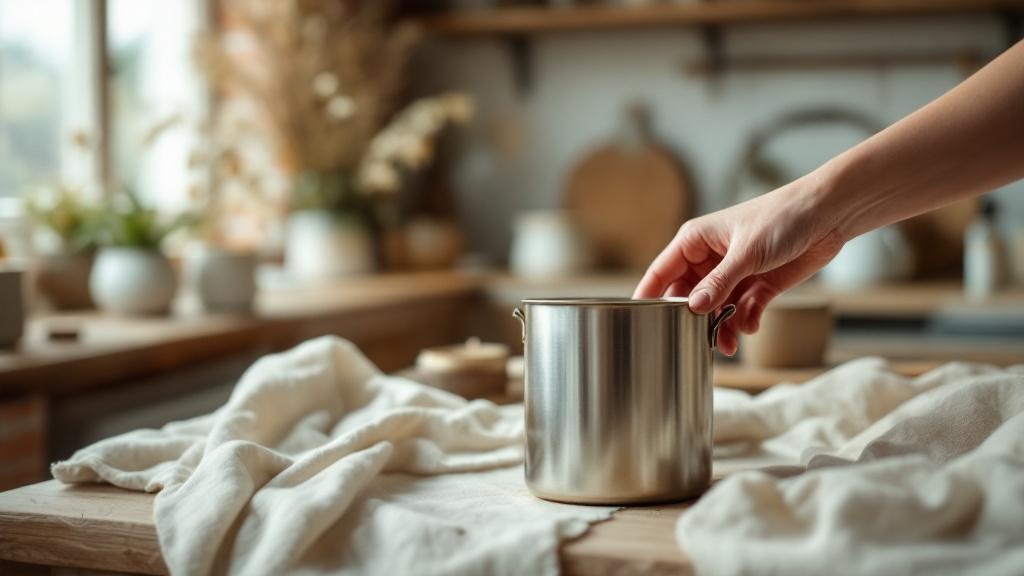
Tin containers are the unsung heroes for beginners. They’re metal, so there’s no risk of shattering, and they’re lightweight enough to survive a tumble from the kitchen counter. Tin also handles outdoor drafts without the “blow‑torch” effect you can get in a thin‑walled glass jar. The downside? They don’t showcase the candle’s colour as dramatically, and a very thin tin can feel a bit cheap if you’re aiming for a premium look.
For a beginner‑friendly tin set, the 16 Pack Candle Jars for Making Candles, 4 oz Candle Making Jars, Empty Metal Tins Container with Lids for Dry Storage Spices, Candy, Party Favors, Wedding, and Gifts (paid link) are 4 oz metal containers with lids — a good size for test batches and gifts.
Ceramic pots retain heat wonderfully, giving a slow, even burn that many seasoned makers love. They’re heavy, sturdy, and can be reused indefinitely – a proper “green” choice. However, the extra weight makes them less ideal for gifting, and cleaning a glazed interior after a few pours can be a bit of a faff.
Quick risk comparison
| Material | Aesthetic appeal | Risk of cracking | Heat retention | Typical use |
|---|---|---|---|---|
| Glass (tempered) | Spot on for a boutique look | Medium – only if not tempered or poured too hot | High – quick melt, good scent throw | Indoor, decorative |
| Tin | Functional, modern | Low – virtually impossible to crack | Low – fast cooling, good for outdoors | Beginner kits, outdoor |
| Ceramic | Rustic, heavyweight | Low – no cracking risk | High – slow, even burn | Premium gifts, reusable |
The honest answer is: if you’re just starting out and want a “belt and braces” approach, tin is the safest bet. If you crave that glass‑glow and are willing to control pour temperature carefully, tempered glass is worth its salt. Ceramic sits somewhere in the middle – great for a finished product, but not the cheapest first purchase.
How do I calculate the right wax amount for my candle container?
The rule of thumb we swear by is to leave sensible headspace rather than filling the vessel to the brim. Soy wax shrinks as it cools, so a full-to-the-top pour often leads to sinkholes, overflow, or a messy rim once the wax contracts. Pouring a 300 ml jar to the top often causes the wax to overflow and create a mess that smells like burnt wax for days.
Here’s a simple way to get the right amount:
- Weigh the empty jar on a kitchen scale. This gives you the tare weight.
- Decide on a target fill level that leaves enough headspace for cooling and burning.
- Work from the jar’s usable fill volume, then convert to grams. For soy wax, it is often close enough to treat 1 g as roughly 1 ml for a first estimate.
- Subtract the jar’s tare weight to find the net wax weight you actually need to melt.
Example: Your jar holds 250 ml and weighs 50 g. Choose a usable fill volume that leaves some headspace, convert that volume to an approximate wax weight, then subtract the jar weight to work out how much total filled weight you are aiming for.
That small calculation saves you a lot of wasted wax and the dreaded “crack‑then‑spill” scenario.
Ready to make sure you’ve got the right measurements before you buy? Before you click “add to basket”, Download the Free Checklist – it walks you through jar weight, volume, and safety checks so you don’t waste money on the wrong size.
Safety Protocols: Heat Resistance & Wick Compatibility
A jar that can survive heat is only half the battle; the wick must be the right size for that jar. If the wick is too thin, the wax pool never reaches the edge of the container – you get tunnelling, wasted wax, and a weak scent throw. If the wick is too thick, the flame can overheat the glass, leading to that “blow‑torch” effect I mentioned earlier, where the bottom of the jar gets so hot it cracks.
Wick‑to‑jar matching basics
- Measure the inner diameter of the container (most jars list this on the product page, or you can use a ruler).
- Choose a wick using the supplier’s sizing chart for your jar diameter and wax type. As a rough check, wider jars need thicker wicks than smaller tins.
- Check the wick material – cotton‑core wicks work for soy, while wooden wicks can cause uneven burning and more soot.
Heat resistance is another non‑negotiable. Look for “Tempered”, “Heat‑Resistant”, or “Borosilicate” markings on the bottom of glass jars. If you can’t find a label, give the jar a gentle tap with a metal spoon – a dull thud usually means it’s not tempered and should be avoided for candle making.
A common beginner mistake is using a large wooden wick in a small tin to speed up the melt. The flame roared, the tin got hot, and the wax pool boiled over. Lesson learned: always keep the wick‑to‑jar ratio in mind and never exceed a 4‑hour continuous burn time on any container. That prevents “mushrooming” (the wick’s tip swelling) and keeps the glass or tin from overheating.
For a deeper dive into wick selection, see our Wick Size Guide .
UK‑Specific Considerations: Labeling & Recycling
If you ever plan to sell your candles, the UK has clear rules that most hobbyist blogs overlook. According to Trading Standards (UK Government Consumer Protection), any candle sold to the public must carry a CE mark (or the newer UKCA mark post‑Brexit) to show it meets safety standards for heat resistance and fire risk. The label also needs mandatory warnings such as “Do not burn unattended” and “Keep away from flammable materials”.
When you’re buying jars, check the bottom for a CE logo or a statement like “Complies with EN 15493”. If it’s missing, you can still use the jar for personal use, but you can’t legally market it as a candle in the UK.
Recycling is straightforward for glass – most UK councils accept it in the recycling bin, provided it’s clean. Tin containers are also recyclable, but make sure they’re food‑grade if you intend to reuse them for food storage later; otherwise, they belong in the metal recycling stream. Ceramic pots, unless they’re made from recyclable clay, usually end up in landfill, so consider re‑using them as planters once the candle’s life is over.
Checklist for a compliant jar
- CE or UKCA marking visible on the base.
- “Heat‑Resistant” or “Tempered” wording present.
- No cracks or chips visible.
- Material clearly identified (glass, tin, ceramic).
For more on labelling requirements, have a look at our candle making supplies guide .
Frequently Asked Questions
Can I put a candle in a regular drinking glass?
No, you absolutely shouldn’t. Regular drinking glasses aren’t heat‑resistant and will crack the moment the wax pool heats the base. Always use jars specifically marked for candle making to avoid a dangerous situation.
Why is my candle wax sinking in the middle?
That usually means you poured the wax too hot or filled the jar right to the brim. Soy wax shrinks as it cools, so leaving a little headspace in the container helps prevent those annoying sinkholes from forming.
What is the best container for outdoor candles?
Metal tins are the best choice for outdoor use. They’re lightweight, won’t break if dropped, and stay stable in cold weather and against drafts, making them much safer than glass outside.
Do I need to prime the wick in the jar?
Yes, it’s a good idea to prime the wick. Give the wick a quick dip in melted wax before lighting it for the first time; it helps the flame stay steady and reduces the chance of “mushrooming” at the tip.
Can I reuse glass jars?
You can, provided the glass is thick, heat‑resistant, and you clean it thoroughly. Make sure to remove any old labels and all wax residue before you consider using it for your next candle pour.
Ready to Start?
You’ve now got the three pillars of a safe candle: the right vessel material, the correct size and wax amount, and a wick that matches the jar’s dimensions while staying within UK safety standards. Pick a tempered glass jar only if you’re comfortable controlling pour temperature, opt for a tin if you want a no‑fuss starter, and consider ceramic for a premium, reusable finish.
The next logical step is to make sure you’ve got all the numbers and safety checks written down before you hit the supplier page. That’s where our Free Candle Making Checklist comes in – it lists the exact measurements, CE‑mark checks, and wick‑to‑jar ratios you need to verify. Download the Free Checklist and keep it at your workstation; it’ll save you a lot of trial‑and‑error.
Happy pouring, and may your first candle burn bright without a single crack.
Related Guides
For a complete overview, see our Mastering Candle Making Supplies: Wax, Wicks & Fragrance .
Further Reading
- Health and Safety Executive (HSE)
- Citizens Advice – Consumer Rights
- Cosmetics Europe – IFRA Standards
- UK Trading Standards
Note: This guide provides general information for educational purposes. Always verify specific safety regulations and product specifications with official sources or qualified professionals before proceeding with candle making or selling.