Candle Making Safety UK: The 3 Rules That Stop House Fires

This post contains affiliate links. If you buy via these links we may earn a small commission at no extra cost to you.
Hot wax, open flames and fragrance oils can go wrong quickly if your setup is sloppy. In a UK home, that can mean damaged surfaces, smoke, or awkward questions from your insurer after an avoidable accident. This guide focuses on the basics that matter: safer heating, safer extinguishing, and the checks worth making before you start pouring. (If you want to know more about our approach, check out our about page ).
The “Golden Rules” of Candle Safety
Think of these as the non-negotiable basics that prevent most avoidable accidents before they even start.
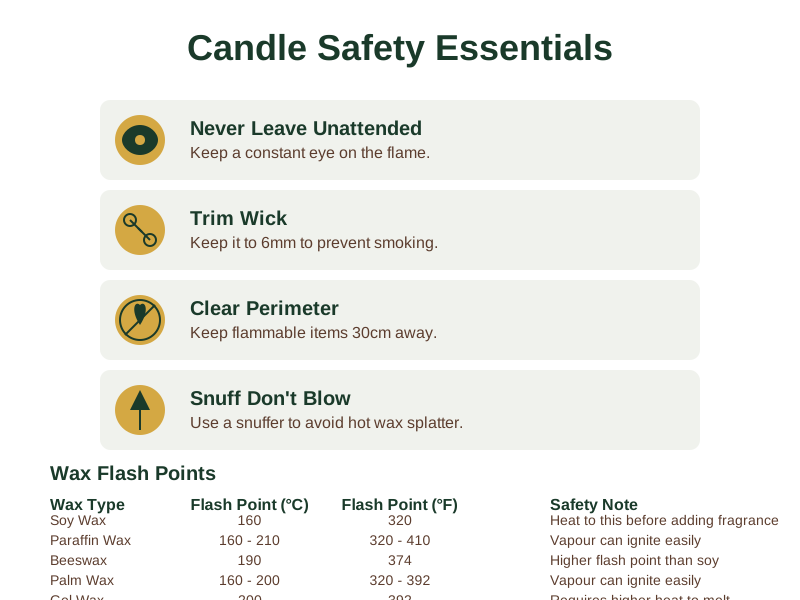
- Never leave a burning candle unattended. A draft or a knocked‑over pot can turn a cosy glow into a flash fire in seconds.
- Trim the wick to about ¼ inch (6 mm). A long wick fuels a taller flame, which heats the wax faster and can cause the wax to “mushroom” or even splatter.
- Clear the perimeter. Keep curtains, books, towels and any flammable items at least 30 cm (12 inches) away.
- Limit burn time to four hours. Longer burns overheat the container and the wax, increasing the risk of cracking or a runaway flame.
Many beginners learn the hard way — a half‑lit candle left on a kitchen bench while answering the door is all it takes. A gust of wind from the open window sent the flame onto a paper towel, and the whole thing went up in a puff of smoke. The lesson? Those four rules are worth their salt – they’re simple, cheap, and can’t go wrong.
How to Safely Handle Hot Wax and Flash Points
When it comes to hot wax, understanding the flash point is critical for safety. This is the temperature where wax vapour can ignite. Your main goal is to control the wax temperature carefully, especially when adding fragrance, so you do not overheat the mixture. According to general fire safety guidance from GOV.UK , careful temperature control helps reduce the risk of accidental ignition during heating.
- Heat to the right temperature first. Use a digital probe thermometer and follow the wax and fragrance supplier’s handling guidance. Guesswork is where small mistakes turn into messy or dangerous ones.
- Add fragrance at the stage recommended by the supplier. Do not pour it in blindly or keep heating beyond the point you actually need.
- Never guess. Measure the wax temperature and follow its supplier guidance. The BOMATA 20cm Long Probe Candy Thermometer with Pot Clip, Rotating Display, High Accuracy Instant Read Digital Thermometer for Candles, Liquids, Cooking, Grilling and More… (paid link) is listed for candles and liquids and has a pot clip, so you can monitor the reading without holding it over hot wax.
- Ventilate, always. Hot wax releases fumes that can irritate the lungs, especially in a small flat. Open a window or run a fan; a bit of a faff, but it’s belt and braces safety.
Adding fragrance oil too early is the most common beginner mistake that leads to accidents.
Snuffing vs. Blowing Out: What’s the Safest Way to Extinguish a Candle?
When the candle has done its job, how you put it out matters more than you might think. Blowing creates a cloud of hot wax vapour that can reignite on nearby surfaces – a subtle fire hazard that many overlook.
- Snuff it. A candle snuffer or a simple metal spoon caps the flame without disturbing the wax vapour. It’s quiet, tidy and, according to fire safety advice from the National Fire Chiefs Council , the safest method for indoor candles.
- If you must blow, do it gently. A hard puff can scatter molten wax droplets, especially if the wick is too long.
- Re‑trim the wick before relighting. A trimmed wick prevents “mushrooming” and keeps the flame steady.
- Keep a suitable fire extinguisher handy. A proper extinguisher is worth having nearby; a bucket of sand won’t do the job on a wax fire.
Many beginners have tried snuffing a candle with a cotton ball — the cotton can catch fire and create a small blaze on kitchen tiles. Stick to a proper snuffer or a spoon: it’s simple enough to be on every candle-making checklist.
What UK-Specific Safety Rules Apply to Candle Making in Flats?
Making candles in a rented flat or any shared UK dwelling brings its own set of safety considerations, largely due to factors like ventilation, proximity to neighbours, and the specifics of your home insurance. The key is to be extra vigilant about drafts, ensure proper ventilation, and crucially, understand your insurance policy’s stance on hobby-related incidents.
- Flat safety basics. Never place a candle near a window or balcony door where a breeze can tip it over. Position it on a stable, heat‑resistant surface – a ceramic tile or a wooden board works well.
- Insurance implications. Which? and Money Saving Expert both warn that many standard home insurance policies exclude accidental damage caused by DIY hobbies. The honest answer is: check your policy wording or call your provider and ask specifically about candle‑making. For general guidance on home insurance, you can often find useful information on sites like Which? or Citizens Advice . If it’s not covered, you could be on the hook for repair costs – not cheap, but not a con either if you get clarification now. If you have any general questions about getting started, you can always get in touch .
- Detectors matter. A working smoke alarm is essential, and it is worth checking whether a carbon monoxide alarm also makes sense for your home setup. You can find more information on carbon monoxide safety from GOV.UK .
- Did you know? Some insurers treat a candle‑making incident as “commercial activity” if you sell the candles, which may void a personal policy altogether.
Post‑Burn Safety: Cooling and Cleaning
The work isn’t over when the flame goes out. A hot candle is still liquid wax, and moving it is a recipe for a burnt floor and a ruined jar.
- Let it cool completely. The wax can stay liquid for a while, depending on the container size. Resist the urge to tip it over or stack jars, and keep a clear cooling zone around it.
- Wick removal. Use a spoon or a blunt chopstick to push the wick to the side once the wax is solid. This prevents the wick from smoking when you relight later.
- Store properly. Keep finished candles in a cool, dark cupboard away from direct sunlight. UV light can cause the wax to warp and the fragrance to fade.
Quick Answers
Can I put a lid on a burning candle to extinguish it?
Honestly, no, we wouldn’t recommend it. Smothering a candle by putting a lid on it cuts off the oxygen, which definitely puts out the flame. But it also makes it sputter and can create a really smoky mess when you eventually lift the lid. A proper snuffer or a wick dipper is always the cleaner and safer bet.
Is it safe to make candles in a rented flat?
Yes, it absolutely can be, but you’ve got to be extra careful. The key is to diligently follow all the safety guidelines – think excellent ventilation, never, ever leaving a candle unattended, and crucially, checking your landlord’s specific rules on open flames and hobby activities in your tenancy agreement. It’s better to be belt and braces here.
What is the flash point of wax?
The flash point is the critical temperature at which wax vapour can ignite, turning into a real fire hazard. The exact figure varies by wax, so check the supplier’s documentation and avoid overheating the wax when adding fragrance oils.
Does home insurance cover DIY candle fires?
Honestly, it really does depend on your specific policy, so don’t assume anything. Many standard UK home insurance policies actually exclude accidental damage that results from hobby activities like candle making. The safest thing to do is read the fine print of your policy or, even better, call your insurer directly to confirm your coverage. You don’t want to find out the hard way.
Why is my candle smoking?
If your candle is smoking, it usually points to a few common culprits. Most often, the wick is too long, there’s a sneaky draft causing an uneven burn, or the wick has developed that ‘mushroom’ shape from carbon build-up. The fix is usually simple: trim your wick to about ¼ inch (6mm) before every lighting and ensure your candle is well away from any breezy spots.
Candle Safety Flash Point Reference
| Wax Type | Flash Point Guidance | Handling Note |
|---|---|---|
| Soy Wax | Check supplier documentation | Avoid overheating when adding fragrance |
| Paraffin Wax | Check supplier documentation | Monitor closely during heating |
| Beeswax | Check supplier documentation | Use steady, controlled heat |
| Palm Wax | Check supplier documentation | Monitor closely during heating |
| Gel Wax | Check supplier documentation | Follow product-specific instructions |
Ready to Start?
You’ve now got the core safety rules down: never leave a flame alone, trim the wick, respect the wax flash point, snuff properly, and mind the flat‑specific quirks that could affect your insurance. Stick these points to a sheet of paper, tape it to your workbench and you’ll keep the “golden rules” front‑of‑mind every time you melt wax.
Ready to lock all this in? Download the Free Candle Making Safety Checklist – a printable cheat‑sheet that walks you through each step, from set‑up to post‑burn. Keep it by your kettle, and you’ll never have to wonder “what if?” again. For more tips and tricks, browse our other articles .
Happy (and safe) candle making!
Related Guides
For a complete overview, see our Complete Guide to UK Candle Making for Beginners .
Further Reading
Note: This guide provides general safety information and is for educational purposes only. Always verify specific safety guidelines and insurance terms with a qualified professional or official source.