Beginner''s Guide to Candle Fragrance Oils: Types, Load & Blending UK

This post contains affiliate links. If you buy via these links we may earn a small commission at no extra cost to you.
Weak scent throw usually comes down to three problems: the wax cannot hold the amount of oil you added, the fragrance does not suit the wax, or the safety guidance on the bottle has been ignored. Get those right and you avoid flat-smelling candles, oily surfaces and a lot of wasted supplies. This guide covers how fragrance load works, how different waxes handle scent, and which UK CLP details matter before you pour.
The “Load” Math: How Much Oil Should You Really Use?
Load is simply the weight of fragrance oil relative to the total weight of wax. The safe limit depends on the wax and the specific oil, so the bottle or technical sheet should always be your final reference point.
The Golden Rule in Practice
Start with the total weight of wax you plan to melt, then calculate the fragrance amount from the supplier’s recommended load for that specific oil.
- Weigh the wax first so you are working from a clear total.
- Add fragrance according to the supplier’s guidance, then stir thoroughly so the blend stays even.
Push the load past what the wax can hold and you’ll start to see oil pooling on the surface – the dreaded “sweating” effect. It’s not just an eyesore; it signals that the wax can’t hold the oil at that concentration, and you’ll lose both scent throw and stability.
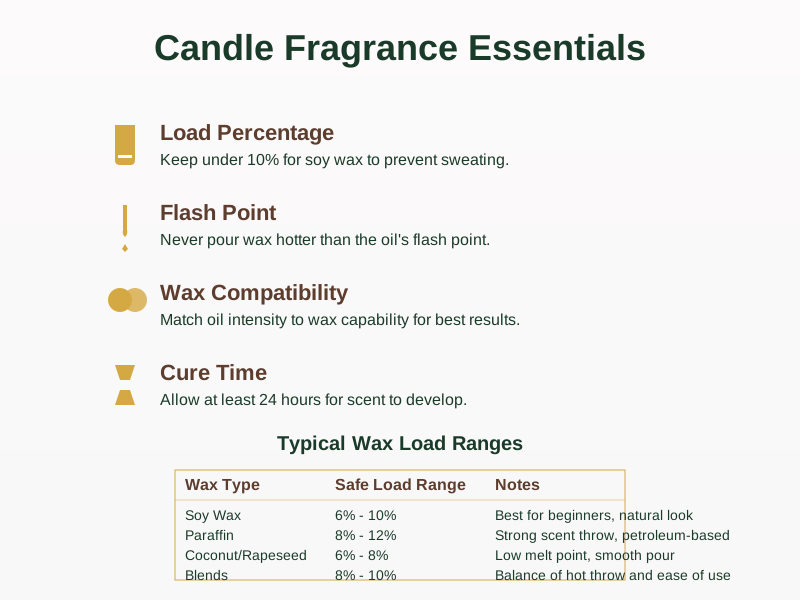
Never exceed the manufacturer’s recommended fragrance load, or your candle will sweat oil. Most soy wax suppliers publish a load chart – always give it a quick glance before you start.
Quick tip: If the bottle is vague, contact the supplier or choose an oil with clearer guidance before you pour.
Wax Compatibility: Why Your Oil Might Be “Failing”
Soy wax is the go-to for beginners because it’s natural, low-melting, and forgiving. But it can be a bit shy with “flashy” scents – those high-impact, synthetic blends that sound great in a bottle but struggle to diffuse through a soy matrix.
Paraffin, on the other hand, is a scent-throw beast. It holds more oil and releases fragrance more readily, but it’s petroleum-based and a touch less friendly to the environment.
Coconut and rapeseed blends sit somewhere in the middle. They melt at lower temperatures, giving a smoother pour, and they can boost hot-throw when paired with a modest oil load.
Cold Throw vs. Hot Throw
When you sniff a candle that’s still solid, you’re experiencing the cold throw – the scent released at room temperature. Light it, and the hot throw kicks in, often dramatically stronger. Soy may give a modest cold throw but a respectable hot throw if the load is right. Paraffin usually shines on both fronts.
Many beginners once try to “cheat” by overloading soy with a high-impact citrus oil. The candle smelled brilliant when lit, but the cold throw was virtually non-existent – nobody noticed the scent until the flame was up. Lesson learned: match oil intensity to wax capability.
For a quick reference, check our candle wax guide – it covers how the most common UK-available waxes differ in scent throw and handling.
UK Safety & The CLP Label: What You Need to Know
CLP stands for Classification, Labelling and Packaging – the UK/EU system that tells you how hazardous a chemical is and what precautions to take. This is all laid out by the Health and Safety Executive (HSE) . Every legitimate candle fragrance oil sold in the UK must carry a CLP label.
Flash Point – the safety linch-pin
The flash point is the temperature at which the oil gives off enough vapour to ignite. It’s not the temperature you’ll feel on your skin; it’s the temperature the oil can catch fire if exposed to an open flame.
- Never pour wax hotter than the oil’s flash point. If your oil lists a flash point of 80 °C, aim to pour at 65 °C or lower — well below the flash point.
- A flash point below 50 °C generally means the oil is unsuitable for candles. Most candle-grade fragrance oils fall between 60–100 °C — perfectly safe when poured at typical soy pour temperatures of 50–65 °C.
What to look for on the bottle
When you’re scanning a fragrance oil, check for these CLP details:
- Flash Point (°C) – the key safety number.
- Recommended load guidance – the maximum amount of oil you should add.
- CLP symbols – a small flame icon indicates flammability, a skull may signal toxicity if ingested (not a concern for normal candle use, but good to know).
The UK Trading Standards’ fire safety guidelines echo this. You can find more general candle safety advice from Citizens Advice if you’re ever in doubt. Follow it and you’ll keep both yourself and your kitchen on the safe side.
Troubleshooting: Why Isn’t My Candle Smelling?
If you’ve followed the load math and still end up with a faint candle, start with the basics.
Do’s and Don’ts Checklist
- Do check your wick size first. A wick that’s too small won’t generate enough heat to melt the wax pool fully, muting the scent.
- Don’t ignore the pour temperature – too cool and the wax won’t bind the oil properly; too hot and you risk flashing the oil.
- Do give the candle at least 24 hours to cure before judging the cold throw. Some oils need time to settle.
- Don’t over-mix. Vigorous stirring can introduce air bubbles, affecting how the fragrance disperses.
Common scenarios
- Sweating oil on the surface: You’ve likely exceeded the load or poured at a temperature above the flash point. Re-melt gently, let it cool to the recommended pour temperature, and pour again with a reduced oil amount.
- Weak hot throw: Your wick may be too small, or you’re using a wax that dampens scent (e.g., a very low-melting soy). Try a slightly larger wick or switch to a paraffin-soy blend.
- No scent at all: Double-check that the oil you bought is labelled “Fragrance Oil for Candles” and not a diffuser or room spray. The latter often contains solvents that won’t bind to wax.
When in doubt, start a small test batch and tweak one variable at a time. It’s a bit of a faff, but it saves you from ruining a whole pot of wax.
Buying Guide: What to Look For in a UK Supplier
Not all “candle scent” bottles are created equal. Here’s how to separate the wheat from the chaff.
- Buy “Fragrance Oil” specifically for candles. Stores that label their product as “candle fragrance” or “parfum” are usually formulated to blend with wax.
- Check the CLP information – flash point, load guidance, and any hazard symbols. If the label is missing or vague, steer clear.
- Prefer UK-based stockists. Shipping from overseas can add weeks of delay and extra customs hassle, especially if you need the oil for a timed gift batch.
- Read the reviews. Look for comments about scent strength, how the oil behaved in soy wax, and any safety concerns. A quick glance at the Supplies for Candles Black Pomegranate review thread, for instance, suggests that it performs well in soy.
Always ask the supplier: “What is the flash point of this oil, and what load do you recommend for soy wax?” If they can’t answer, it’s a red flag.
If you want to test a few scents before committing to a large bottle, the Freshskin Beauty LTD | Fragrance Oil Set - Fresh (5 x 10ml) - Candles, Bath Bombs, Soap Making, Reed Diffusers & Wax Melts - Cosmetic Grade - Vegan Friendly (paid link) is a solid starting point. It’s cosmetic‑grade, vegan‑friendly, and the small 10 ml bottles let you experiment with different loads without wasting a lot of wax.
Now you know what to look for – Download the Free Checklist to keep these points at your fingertips when you shop.
Quick Answers
Can I use essential oils instead of fragrance oils?
No. Essential oils have a much lower flash point and can burn out quickly, leaving a bitter scent and potentially causing the wick to sputter. Stick to fragrance oils designed for candles for safety and a reliable throw.
Why is my candle sweating oil on top?
You probably added too much fragrance oil – exceeding the recommended load. Let the candle cool completely, wipe the excess with a paper towel, and if it sweats again, re-melt and reduce the load.
What is a Flash Point?
The temperature at which a fragrance oil releases enough vapour to catch fire. It’s a safety rating printed on the bottle. Never pour wax hotter than the oil’s flash point.
Does the type of wax matter for scent throw?
Yes. Paraffin blends usually give a stronger hot throw than soy, but soy is easier for beginners and more natural. Coconut and rapeseed blends can boost hot throw while keeping a lower melt point.
How do I calculate the load?
Divide the weight of the fragrance oil by the total weight of the wax to work out the load.
Fragrance Load Reference Guide
| Wax Type | Safe Load Guidance | Notes |
|---|---|---|
| Soy Wax | Often lower to moderate | Best for beginners, natural look |
| Paraffin | Often more forgiving | Strong scent throw, petroleum-based |
| Coconut/Rapeseed | Usually moderate | Low melt point, smooth pour |
| Blends | Varies by blend | Balance of hot throw and ease of use |
Your Next Step
You’ve got the maths, the safety basics, and the troubleshooting tricks to stop wasting oil and time. Remember: the most expensive part of a candle is the fragrance – getting it right is worth the extra effort.
If you’re ready to take the guesswork out of your next batch, Download the Free Fragrance Load Checklist . It walks you through the steps you need for any wax you choose, plus a quick safety checklist so you never pour above a flash point again.
Happy candle making – may your jars stay fragrant, your wicks stay bright, and your kitchen stay smoke-free. If you hit a snag, pop over to our contact page ; we love a good candle-conundrum. And if you want to know more about who’s behind all this advice, check out our about page .
Related Guides
For a complete overview, see our Mastering Candle Making Supplies: Wax, Wicks & Fragrance .
Further Reading
Note: This guide provides general information for educational purposes. Always verify specific safety requirements and regulations with official sources or qualified professionals before undertaking any work.